A hem is a short job built on exact measurements, and knowing how those measurements work lets you do the useful parts yourself: measure an inseam correctly at home, judge the break you want in a mirror, and arrive in Rock Hill with the trousers, the shoes, and a clear decision. The cutting and stitching stay with the tailor, but everything that determines the result can be understood, and partly done, before you walk in.
This how-to follows the job in order, from the home measurement to the finished press, marking the line where home work stops and bench work starts.
- Measure an inseam at home. Take a pair of trousers that fit the way you like, lay them flat, and measure from the crotch seam down the inside leg to the hem. That number is your reference inseam for similar styles.
- Judge the break in a mirror. Stand in the trousers and your intended shoes. Note whether fabric pools, folds once, or clears the shoe; that behavior, not a number, is what you are choosing.
- Bring the shoes to the fitting. Heel height changes the right length by more than most people expect. The tailor pins with the actual shoes on, and that pinning is the measurement that counts.
- Decide plain hem, cuff, or original finish. Cuffs suit many dress trousers and add hang; jeans may keep the factory edge with an original-hem method. The choice affects where the line is marked.
- Let the tailor mark each leg separately. Bodies and factory cutting are both slightly uneven. Marking leg by leg produces a pair that sits even in wear, not just on a ruler.
- Check the result standing and walking. At pickup, walk a few steps and glance at the mirror from the side. Hems are judged in motion, and a small correction is easiest right then.
The vocabulary, briefly
The inseam measures the inside leg; the outseam measures from the waistband down the outside. Break names how fabric meets the shoe: full break folds generously, half break creases slightly, no break clears the shoe and shows sock when walking. Rise, where the waistband sits, links the two measurements, which is why the same inseam can wear differently across styles and why a reference pair should resemble the trousers being hemmed.
What the tailor does that home sewing rarely matches
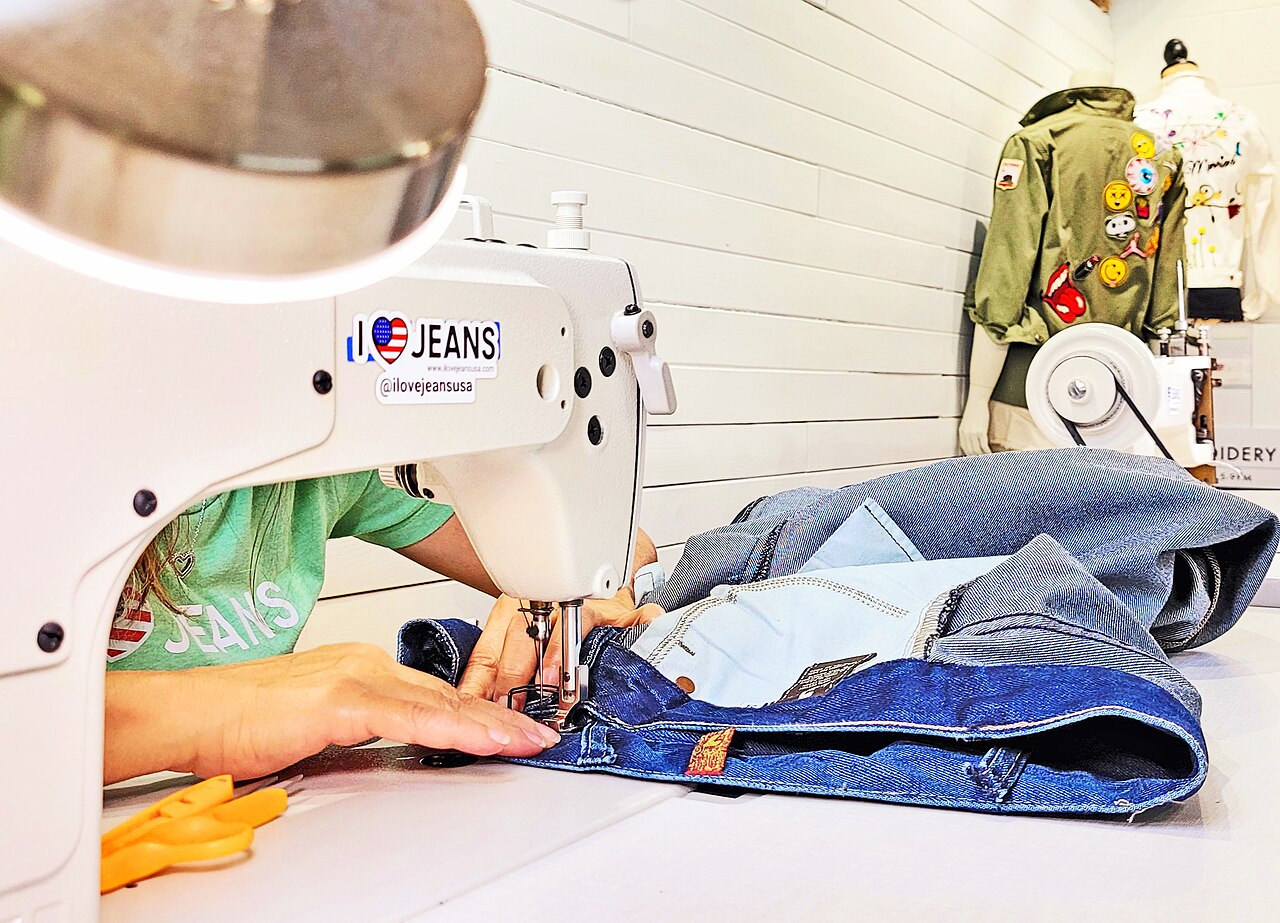
A blind hem stitch catches the fabric nearly invisibly from outside, and doing it evenly by machine takes practice and the right presser foot. Pressing sets the crease and the memory of the fold; a properly pressed hem keeps its line through wear in a way a home iron rarely achieves on the first try. On jeans, producing the factory look involves either reattaching the original edge or using a chain stitch that recreates the roped texture, neither of which a basic home setup reproduces well.
Fabric changes the job
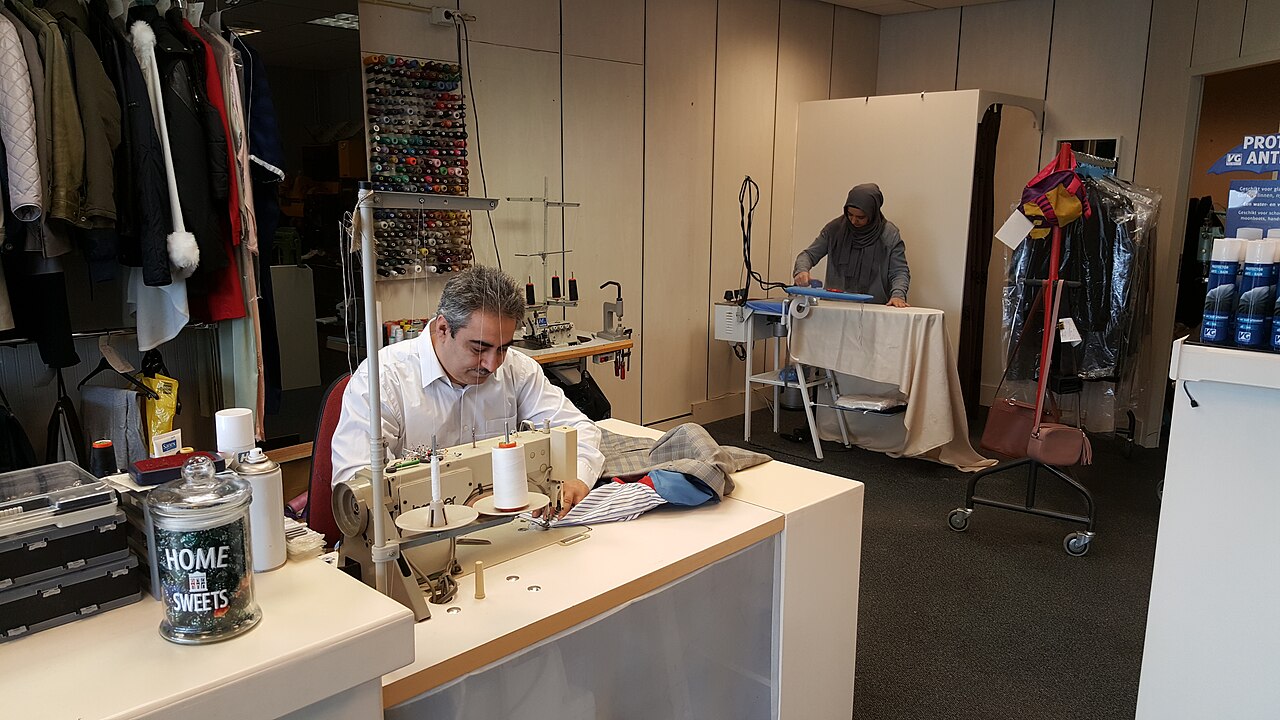
Thick fabrics like denim and corduroy need heavier needles and show stitching more, while slippery linings and lightweight wools want care to avoid puckering. Stretch fabrics complicate the pinned length, since they lengthen under their own weight on the body and shorten on the hanger. A tailor accounts for the specific cloth in front of them, which is one reason quoted timelines at shops like T & K Alterations follow a look at the garment rather than a flat promise over the phone.
Keeping the hem right afterward
Hang trousers by the waistband or fold them over a hanger bar at the knee to rest the crease. If a hem starts to fall, a few stitches or a trip back early beats the dragging that frays an edge on pavement and red clay grit around Rock Hill. And keep the extra allowance if the tailor offers it; a hem that can be let down later is a small option on future shoe heights and changing preferences.
Common questions
How do I measure an inseam without a fitting?
Measure a well-fitting pair laid flat, from the crotch seam to the hem along the inside leg. Use it as a reference for similar trousers, knowing that rise and shoe choice can shift the ideal by a little.
What break do most people choose for dress trousers?
A half break is the most common: the fabric touches the shoe and creases slightly. No break reads sharper and more modern, while a full break is the traditional, relaxed choice.
Can jeans be hemmed and still look factory finished?
Yes. An original-hem alteration reattaches the factory edge after shortening, preserving the fade and stitching, and chain-stitch hemming recreates the factory texture on a new edge.
Photos in this guide are representative stock images.
← All guides from T & K Alterations← Back to T & K Alterations