Sleeve and shoulder work is where alterations stop being surface adjustments and become structural. A hem shortens an edge; moving a shoulder seam means opening a garment's architecture, resetting how the sleeve hangs from the body, and rebuilding the layers that give a jacket or dress its shape. In Rock Hill, this is the job clients most often underestimate, expecting a quick nip where the bench sees an afternoon.
The checklist below separates the simple end of this work from the structural end, line by line, so you can judge a garment before you commit to it, and understand a tailor's honest hesitation when a job crosses the line.
Simple or structural: the checklist
- Sleeve from the cuff: shortening at the wrist, with no working buttons or vent nearby, is the simple version. Pass if the sleeve end is plain.
- Sleeve with buttons and vent: those details must be moved or rebuilt, adding stages. Treat as intermediate work.
- Sleeve from the shoulder: required when the cuff is too detailed to touch, this means removing and resetting the whole sleeve. Structural.
- Shoulder width: narrowing shoulders means recutting the armhole and resetting the sleeve head and padding. Structural, and it changes the garment's balance.
- Sleeve pitch: if sleeves wrinkle diagonally, the sleeve may be set at the wrong angle for your posture. Correcting pitch is structural diagnosis, not a nip.
- Pad and lining: any shoulder work moves pads and lining too, and both must be resized to match or the finish will pull and bunch.
- Proportionality: large shoulder changes on a garment that otherwise fits can distort the chest and collar. If several zones need major work, reassess the garment as a whole.
Why the shoulder is the hard seam
The shoulder seam carries the garment. It sets how the collar sits, how the sleeve hangs, and whether the front closes without pulling. Its shape is a curve built from the shell, interfacing, a sleeve head roll, and often a pad, all working together. Changing its width or angle disturbs every neighbor: the armhole reshapes, the sleeve cap must match the new armhole, and the collar's relationship to the neck shifts. This is why tailors can take in a waist almost casually and go quiet over a shoulder request.
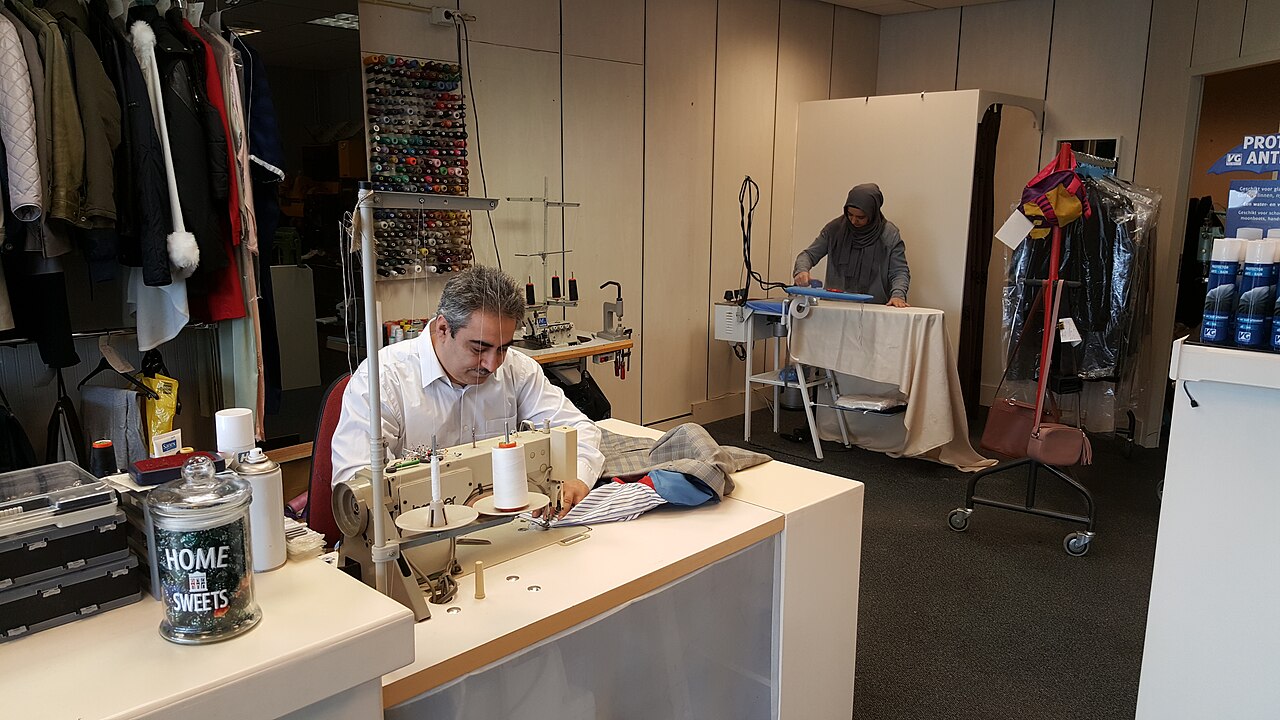
Sleeve shortening: two very different jobs
From the cuff, a plain sleeve shortens cleanly: the end is opened, trimmed, and refinished. Add a vent, buttons, or a lining that must match, and the job grows but stays manageable. From the shoulder, the same visual result requires detaching the sleeve at the armhole, shortening at the top, easing the sleeve cap back into a slightly changed opening, and resetting the head roll and lining. The finished cuff looks identical either way; the labor differs by multiples, and so does the risk to a sleeve that currently hangs well.
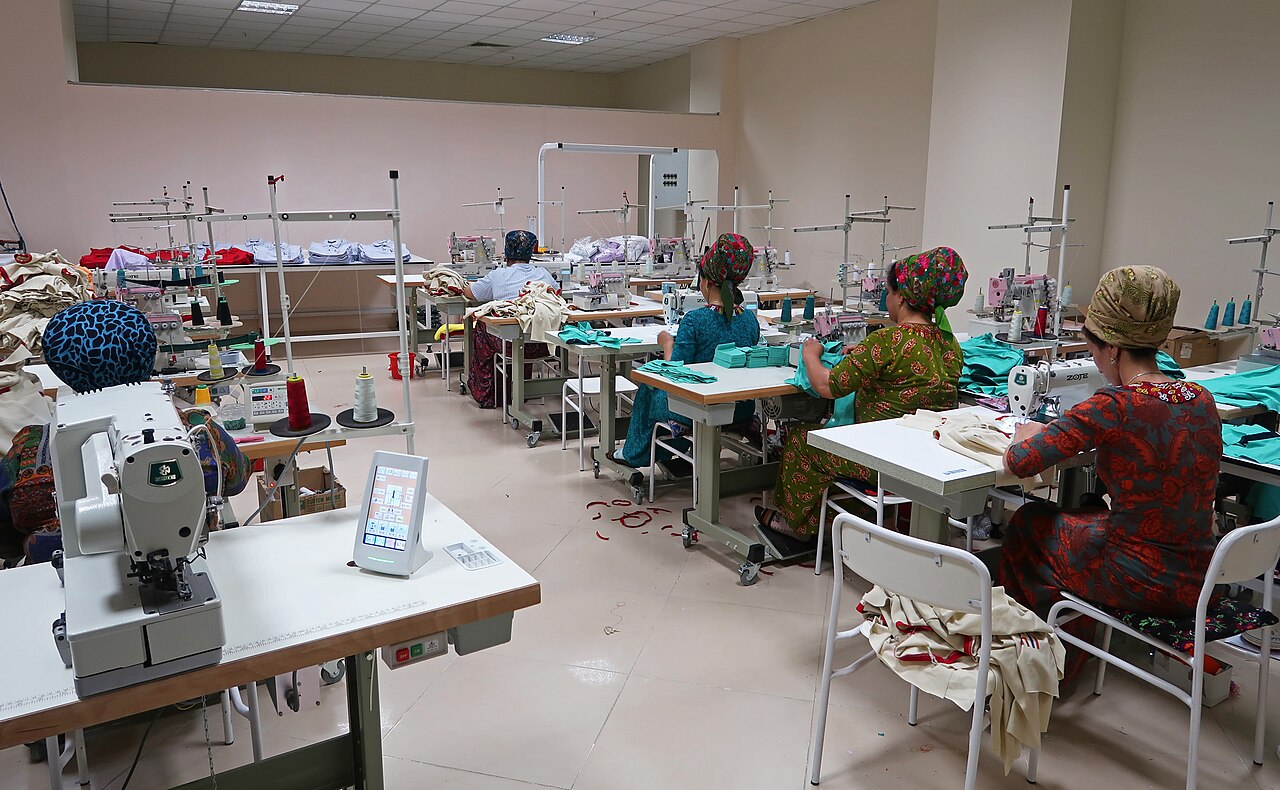
When structural work is worth it
A well-made jacket or a dress with real meaning can justify shoulder work, especially when everything else fits and the garment cannot be replaced. Fit problems concentrated at the shoulder on an otherwise ordinary garment argue the other way: the same money and patience may serve better toward a garment cut closer to your frame. A candid shop, T & K Alterations included, will walk that line with you rather than simply accepting the job, because a structural alteration that disappoints helps nobody.
Questions that help the consultation
Ask where the sleeve would be shortened from, what happens to the buttons and vent, and whether the shoulder change affects the collar or chest. Ask also what the garment will not do afterward, and how long the bench work is likely to keep it out of your closet during a busy season; some range-of-motion or drape qualities shift subtly with structural work, and knowing in advance prevents a surprise. Bring the shoes and layers you wear with the piece, since posture in the fitting shapes the diagnosis.
Common questions
Can jacket shoulders be made narrower?
Yes, but it is structural work: the armhole is recut, the sleeve reset, and pads and lining adjusted. It is most worthwhile on well-made garments that fit well everywhere else.
Why does shortening a sleeve sometimes cost more time than expected?
Details at the cuff decide it. Buttons, vents, and linings must be moved or rebuilt, and some sleeves can only be shortened from the shoulder, which is a far larger job.
What causes diagonal wrinkles on sleeves?
Often sleeve pitch: the sleeve is set at an angle that does not match how your arm naturally hangs. Correcting it means resetting the sleeve, which a tailor can assess in a fitting.
Photos in this guide are representative stock images.
← All guides from T & K Alterations← Back to T & K Alterations