Rock Hill clients planning wedding and formal alterations often ask what the options actually are: how many fittings, in what order, and what changes if the garment is a gown, a bridesmaid dress, or a suit. The staged timeline exists for all of them, but the stages weigh differently, and comparing the three side by side makes the planning clearer than any single schedule.
One point from the round-one conversation still holds across all three: starting early protects options. What this comparison adds is where each garment type spends its time, so you can see why a suit may need two visits while a gown earns three, and where each timeline breaks if it starts late.
| Stage | Wedding gown | Bridesmaid or formal dress | Suit or tuxedo |
|---|---|---|---|
| First fitting focus | Bodice structure, support, overall shape | Bodice or waist fit, straps | Jacket fit, shoulder, trouser waist |
| Typical fittings | Three | Two, sometimes three | Two |
| Hem decided | Second fitting, with event shoes | First or second fitting, with shoes | First fitting, with dress shoes |
| Signature extra step | Bustle design and rehearsal | Matching length across the party | Sleeve and collar fit with shirt |
| Final check | Full outfit with undergarments and accessories | Full outfit, sitting and walking | Full outfit with shirt, shoes, and tie |
| Late-start risk | Sequencing lost; complex work may be refused | Party coordination suffers | Structural fixes fall off the list |
The gown: structure before everything
A gown's bodice carries boning, cups, and sometimes an inner corset, and changes there move everything below them. That is why the hem waits: length pinned before the bodice settles will be wrong after it. The bustle is the other gown-specific stage, engineered at a middle fitting and rehearsed by whoever will tie it up on the day. Three fittings is not ceremony for its own sake; it is one fitting per layer of the problem.
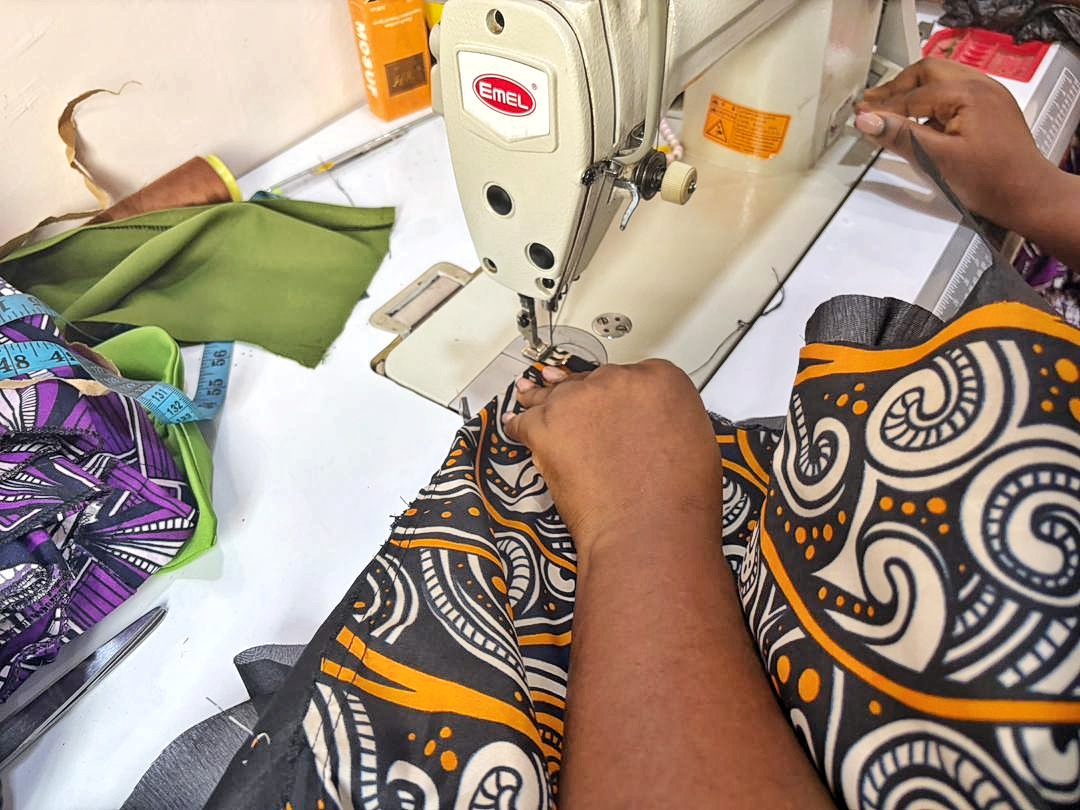
Bridesmaid and formal dresses: the coordination problem
These garments are usually simpler in construction, with fit work at the bodice, straps, and hem. Their complication is social: several people, often in different towns, wearing matched dresses that should share a hem relationship to the floor and a consistent finish. Parties do best when everyone is fitted in the same window, with the same shoe decision, even if the sewing happens at different shops. A Rock Hill party member fitted early, with photos of the agreed shoe height shared to the group, quietly prevents the classic mismatch discovered in the wedding photographs.
Suits: fit is in the shoulders and the shirt
A suit fitting judges the jacket at the shoulders first, because that is the least alterable zone, then sleeve length against the actual dress shirt cuff, then trouser break against the actual shoes. Two fittings usually suffice because the stages compress: most adjustments are marked at once and verified together at the second visit. The trap is substituting a casual shirt or different shoes at the fitting and discovering at the event that sleeves and hems sit differently against the real outfit.
Undergarments and buffers, shared by all three
Every row of the table depends on the same two habits: bring the day's underlayers and shoes to every fitting, and keep roughly two weeks of buffer between the final fitting and the event. Humidity, a late accessory change, or a small weight shift can each need one small correction, and a buffer turns that into a routine visit. At T & K Alterations, formal timelines are planned on exactly this comparison: the stages each garment needs, in order, with the buffer protected.
Reading the table as a calendar
Turn the comparison sideways and it becomes a schedule. Put the first fitting for any of the three as early as the garment is in hand, place the middle stages at least a few weeks before the event, and defend the final check against the pull of the last busy week. Parties with members in several towns should set one shared date by which everyone has had a first fitting, because the slowest timeline quietly becomes the party's timeline. A single calendar note, shared early, does more for a wedding party's alterations than any amount of talent applied late in the process.
Common questions
Why does a gown need more fittings than a suit?
Structure and sequencing. A gown's bodice work changes how the hem falls, and the bustle adds a stage suits do not have, so the work verifies in three rounds rather than two.
Should bridesmaids be fitted at the same shop?
It helps coordination but is not required. What matters is a shared plan: same fitting window, agreed shoe height, and the same hem standard, communicated clearly to everyone.
How early should suit alterations start?
A few weeks before the event is comfortable for standard work like sleeves, hems, and waist adjustments. Structural changes need more lead time and may not be possible on a short clock.
Photos in this guide are representative stock images.
← All guides from T & K Alterations← Back to T & K Alterations